Divan is the warp your enterprise is woven on: its systems, its processes, its people and its AI agents as one fabric, ready for the fifth industrial revolution.
21 kinds of software an enterprise usually rents one by one. Where you have none, or yours has grown old,
Divan has its own - already part of the fabric, under one sign-in and one set of rules. Where yours works, keep it:
Divan connects to it.
Eight studios, one way of working: say what you need, read the plan, watch it built, publish. An app, a
document, a process, a dashboard, an integration, an agent, a course - made by the people who need them,
with AI doing the building.
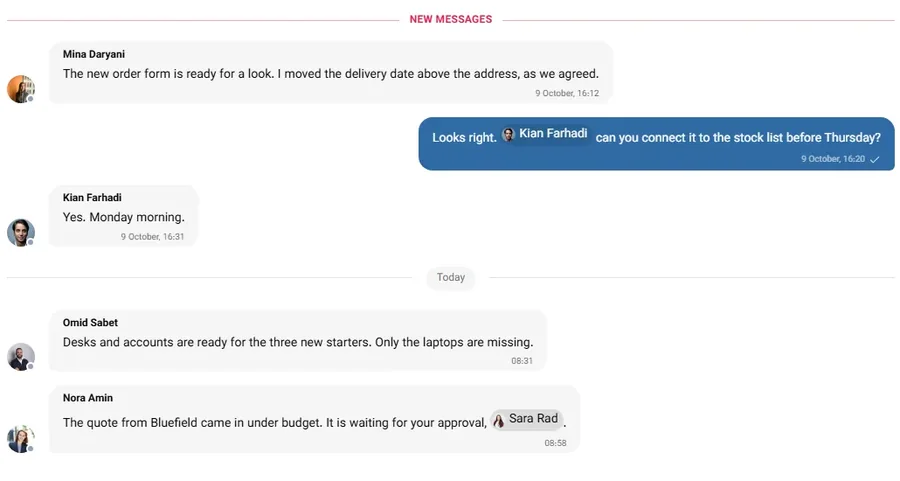
This is what a bundle of tools cannot do. Five things wait for Sara this morning, and each came from a
different part of Divan. She works them in one place, the same way.
One Monday at a demo company. This is the product itself, not a picture of it.
A request needs a yes.
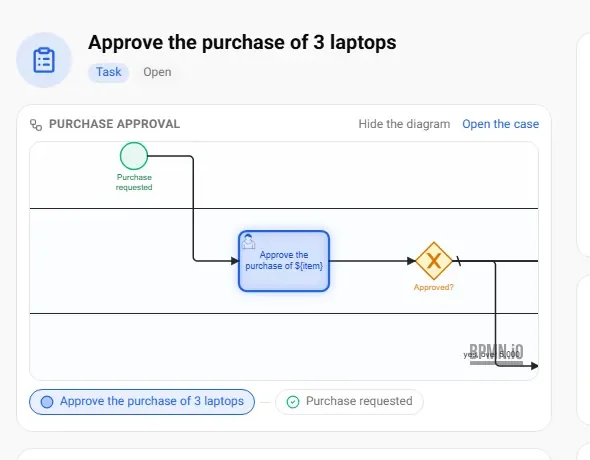
Everything that waits for a person - from every app - is one list. Sara opens the purchase request: a step of a process, with its numbers and where the case stands. She decides in the form of that step.
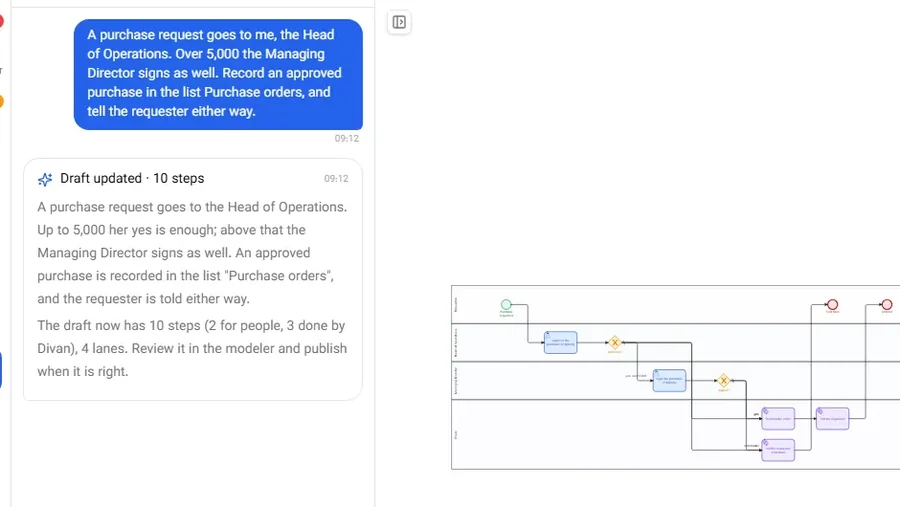
Sara described it in one sentence; the studio drew the diagram, the lanes and the forms, and she published it. After her yes the process goes on by itself: the order is recorded, the requester is told.
Describe what people must be able to do. A team of agents designs the outline and writes the lessons; people read, change and publish. Apps, flows and dashboards are made the same way.
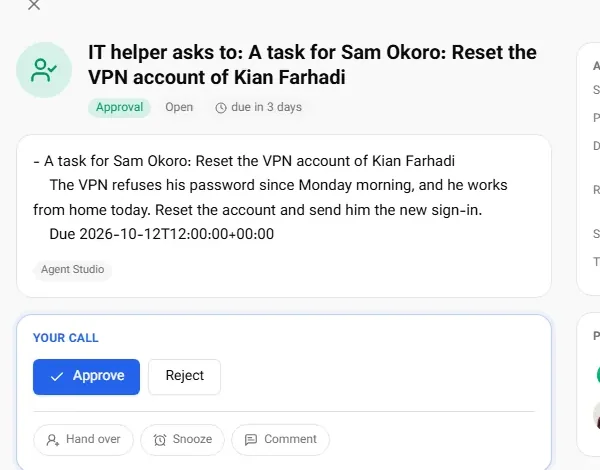
An agent acts as someone, with a supervisor. What it finds, it tells you; what it would change waits for a person - in the same list as everything else.
The Vault keeps every sign-in and uses it for people without showing it. A colleague asks for a server for two hours and says why; one yes gives it, and it ends by itself.
Everything that waits for a person - from every app - is one list. Sara opens the purchase request: a step of a process, with its numbers and where the case stands. She decides in the form of that step.
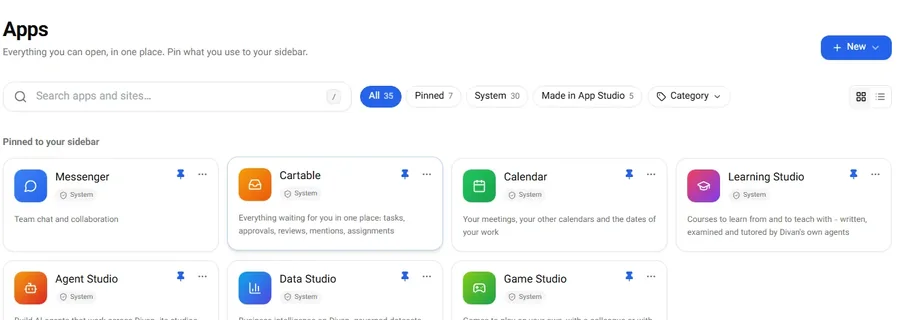
A site holds a team's lists, pages and documents, and can grow into an application of its own. What no product sells you, App Studio builds from a description.
Lists with real fields, history and forms; pages designed on a canvas.
An app is planned with you, built piece by piece, tested, and published by its owner.
A real process engine, flows that run on their own, and the AI model you choose - open-source components you can name and inspect, doing what each does best.
Processes run on Flowable; the platform is its only client, so access and audit stay in one place.
The assistant works as you, with the platform's tools, and shows you anything that would change something first.
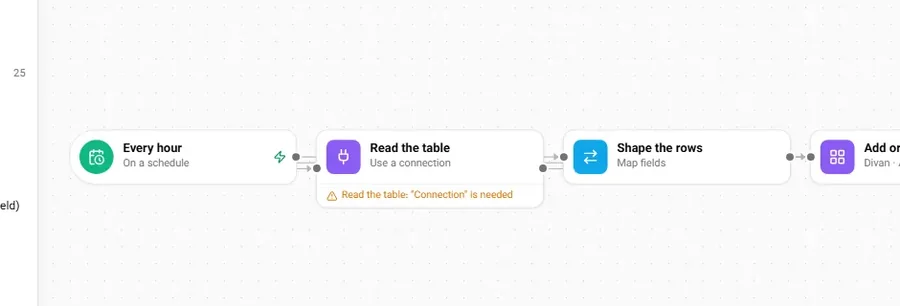
A flow joins a database you already run to a list in Divan: every hour it reads the table, shapes the rows and keeps the list current. Databases, queues, files, mail and web services are steps in the same picture.
Adapters for what you already run. SQL and NoSQL databases, message queues, files and object stores, mail, directories, HTTP, GraphQL, SOAP and the platform's own lists and files.
Webhooks, verified. Incoming calls from GitHub, Stripe, Slack, Shopify and others are checked by their signature before a flow runs. CloudEvents are understood.
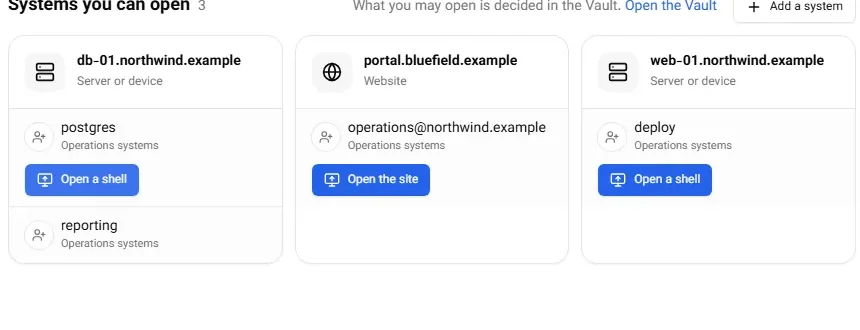
The servers and sites you already run open inside Divan, signed in for you - with a password nobody ever saw.
Yours, and it stays. Each person has their own account and their own files. Close the tab; open it tomorrow from another machine; it is as you left it.
Nothing to install. The desktop is drawn in the platform's own session viewer. A browser is all the person needs.
Build apps for the organisation by describing them.
The real product - demo data
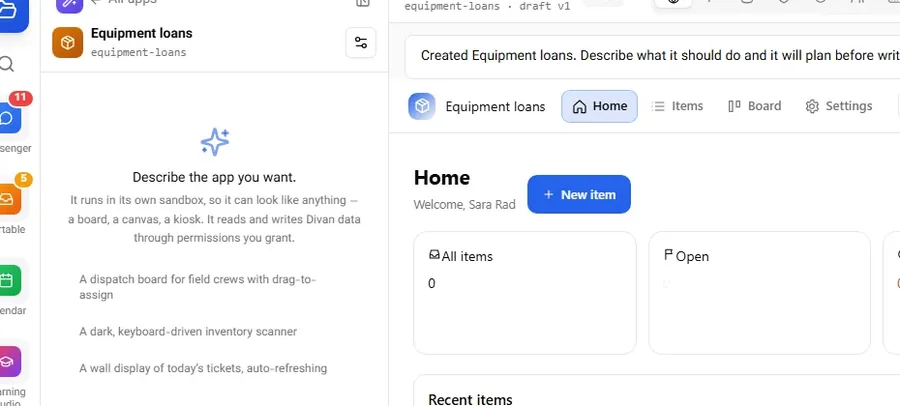
Describe the app you need. The studio plans it with you, builds it piece by piece, tests each piece, and shows it working beside the conversation.
A plan before a build. The studio answers a description with a plan you can read and change. Building starts when you agree to it.
Built piece by piece. The work is split into items. Each one is implemented, reviewed against what you asked for, and applied as a version of its own - so nothing is ever redone, and a stopped build resumes where it stopped.
Business processes: model them, run them, work them.
The real product - demo data
Say how the work goes. The studio drafts the process - its diagram, its lanes, its forms - and a real process engine runs it.
Drafted from a description. Say how the work goes. The studio proposes the BPMN diagram and its forms; you correct it in a full modeler.
A real engine underneath. Processes run on Flowable - BPMN, CMMN and DMN in one engine. It is never exposed: the platform is its only client, so access and audit stay in one place.
Each step that needs a person lands in that person's one list, with the case and its numbers beside it. Sara decides in the form of the step.
One list for every app. A process task, a course given to you, work to review, an access request from the Vault, a question from an agent, an action item from a meeting: one list, one way of working it.
It closes itself. An item is done when the thing it asks for is done. Finish the course and its item goes; sign the checklist and the request is settled.
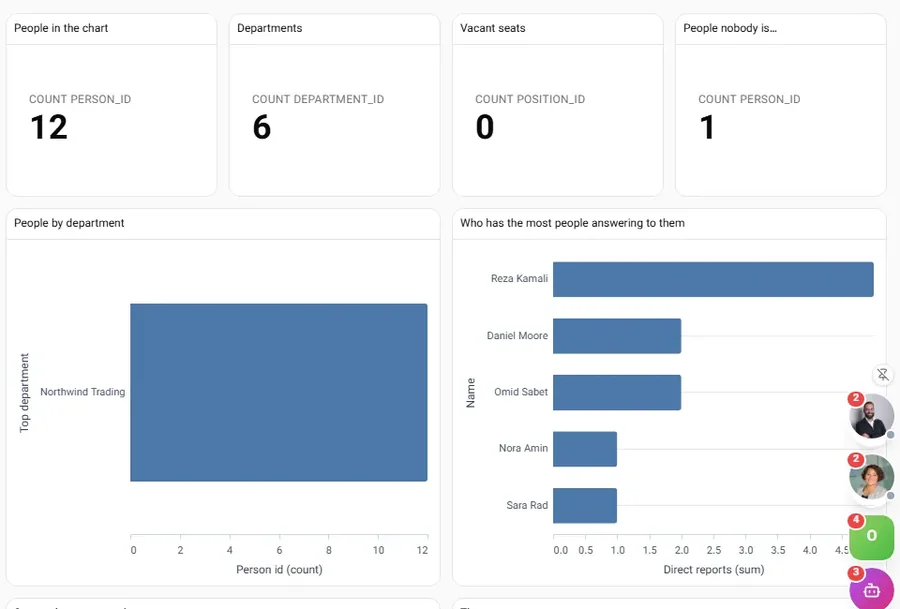
Pick data, ask a question, pin the answer. The same chart shows each reader only the rows they are allowed to see.
Never more than two steps. Pick a dataset, ask a question in words or by pressing fields. The chart is there; pin it to a dashboard.
Governed at the source. Four roles - viewer, analyst, editor, owner - with row policies and column masks. A reader cannot get around them with a clever query.
Who can see what, and why. Who did what, and when.
The real product - demo data
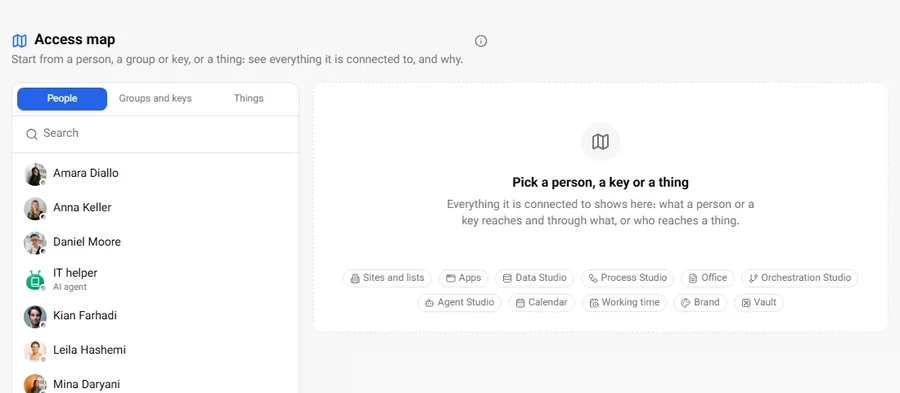
Start from a person and see everything they can reach, and through which entry - or start from a thing and see everyone who can.
One model, every kind of thing. Access is given to a person, a department, a position, a group or everyone, on a ladder of roles. A thing inherits from where it lives unless you say otherwise.
The access map. Start from a person and see everything they can reach, and through which entry. Start from a thing and see everyone who can reach it.
AI agents that work as staff - and wait for people.
The real product - demo data
An agent acts as someone, with a supervisor. What it would change waits for a person - here, IT helper asks before it resets an account.
It acts as someone. An agent works with the access of the person it works for, or with an account of its own. It can never see more than that.
Tools declare their effect. Each tool is marked: it finds, it proposes, it makes, or it changes. What changes something is held until a person approves.
Divan does not ask you to replace what works. Your ERP, your directory, your databases and your file shares keep running; their data flows into Divan, and their screens open inside it.
An intranet that has grown old, no process engine, no dashboards: where something is missing, Divan brings its own part - already under the same sign-in and the same rules as everything else.
The purchase of three laptops is a case of a real process. It waits in Sara's cartable; her yes moves it on, and the process records the order and tells the requester by itself.
IT helper is an AI agent with its own account and a supervisor. It finds and proposes on its own; anything that would change something is held until a person says yes.